Blog
Whether you drive to work every day, take long road trips across the country, or simply run weekend errands, your car is one of the most important tools in your life. Yet many drivers only think about their vehicle when something goes wrong. This blog category is dedicated to changing that habit: understanding your car, maintaining it properly, and making confident decisions as an owner or buyer.
Here you will find clear, practical explanations without unnecessary jargon. From routine maintenance and fuel efficiency to choosing the right vehicle and understanding new automotive technologies, every article is written to help beginners and intermediate drivers alike feel more in control behind the wheel.
Why Regular Car Maintenance Matters
A car is a complex machine with thousands of moving parts, and like any machine, it performs best when it is cared for consistently. Skipping routine maintenance rarely causes an immediate breakdown, which is exactly why so many drivers fall into the trap. The damage builds slowly: a slightly worn brake pad, an aging battery, oil that has lost its effectiveness. Over time, small neglect turns into expensive repairs.
There is also a safety dimension that should never be overlooked. Components such as brakes, tires and steering directly affect your ability to control the vehicle in an emergency. In the United States, for example, tire-related issues are a contributing factor in a significant number of accidents each year, yet checking tire pressure takes less than five minutes.
Finally, there is the financial argument. A well-maintained vehicle holds its value better and consumes less fuel. When the time comes to sell or trade in, a documented maintenance history is one of the strongest selling points you can offer.
The Essentials of Everyday Car Care
You do not need to be a mechanic to take good care of your car. A handful of simple habits, performed regularly, cover most of what a vehicle needs on a daily basis.
Check Your Fluids
Your engine relies on several fluids to run safely and efficiently. Getting comfortable with checking them yourself saves money and helps you spot problems early.
- Engine oil — check the level and color monthly; dark, gritty oil is a sign it may be due for a change.
- Coolant — essential for preventing overheating, especially before summer trips.
- Brake fluid — low levels can indicate wear or a leak and should never be ignored.
- Windshield washer fluid — a small thing that makes a big difference for visibility.
Keep Your Tires in Shape
Tires are the only part of your car that touches the road, and their condition affects braking, handling and fuel economy. Check the pressure at least once a month, including the spare, using the figures printed on the driver’s door frame rather than the sidewall of the tire. Rotate your tires as recommended by the manufacturer to ensure even wear, and replace them when the tread depth approaches the legal minimum.
Listen to Your Car
Cars communicate through sounds, smells and sensations. A squeal when braking, a vibration at highway speed, or a sweet smell under the hood are all early warning signs. Addressing them promptly often means the difference between a minor fix and a major repair.
Understanding Your Car’s Warning Lights
Modern vehicles are equipped with a dashboard full of symbols, and for many drivers they are a source of confusion or even anxiety. The good news is that most warning lights follow a simple logic: colors indicate urgency.
- Red lights demand immediate attention — pull over safely when possible and stop the engine if instructed.
- Yellow or amber lights signal an issue that needs checking soon, such as the check engine light.
- Green or blue lights are informational, indicating that a system like cruise control is active.
The check engine light deserves special mention. It can be triggered by anything from a loose gas cap to a serious engine problem. An inexpensive OBD-II scanner, or a quick visit to an auto parts store that offers free code reading, can tell you what your car is trying to say before you commit to a repair.
Preparing Your Vehicle for Every Season
Seasonal changes put different demands on your vehicle, and a little preparation goes a long way toward avoiding breakdowns at the worst possible moment.
- Before winter: test your battery, since cold weather dramatically reduces its cranking power; switch to winter tires if you live in a snowy region; and check your antifreeze concentration.
- Before summer: verify your cooling system and air conditioning, check that your wipers have not dried out, and inspect tires for wear, since hot pavement is hard on them.
- Before a road trip: perform a full walkaround — lights, tire pressure, fluid levels, and an emergency kit with jumper cables, a flashlight and a first-aid supplies.
A useful analogy: think of seasonal maintenance like changing your wardrobe. You would not head into a snowstorm in summer clothes, and your car should not face winter unprepared either.
Fuel Efficiency: Simple Habits That Save Money
With fuel prices fluctuating constantly, efficiency is a topic that resonates with every driver. The way you drive matters as much as what you drive. Aggressive acceleration and hard braking can increase fuel consumption noticeably, while smooth driving at moderate speeds can meaningfully reduce what you spend at the pump.
Beyond driving style, a few practical adjustments help as well:
- Remove unnecessary weight from the trunk and roof racks when not in use.
- Keep tires properly inflated — underinflated tires increase rolling resistance and fuel use.
- Avoid prolonged idling; modern engines need very little warm-up time.
- Combine short errands into one trip, since cold engines consume more fuel.
Buying a Used Car With Confidence
For many people, the blog’s most practical value lies in the buying process. A used car can be an excellent investment, but it requires a methodical approach. Start by defining your budget realistically, including insurance, registration and anticipated maintenance. Then research reliability data for the models you are considering — consumer reports and owner forums are invaluable resources.
When you find a candidate, always request a vehicle history report and arrange an independent inspection by a mechanic you trust. The small cost of an inspection can save you from thousands of dollars in hidden repairs. Consider this fictional example: a buyer skips the inspection on a sedan that looks immaculate, only to discover a failing transmission two months later. Another buyer, in the same situation, pays a modest inspection fee and walks away from the same car — the best deal is often the one you avoid.
The Road Ahead: Electric Vehicles and Modern Technology
Automotive technology is evolving rapidly, and today’s drivers face new questions. Electric vehicles have moved firmly into the mainstream, offering lower running costs and a quieter driving experience, while hybrids provide a middle ground for those not ready to go fully electric. Charging infrastructure continues to expand, making ownership increasingly practical even for drivers without a home charger.
At the same time, modern cars are packed with driver-assistance features — automatic emergency braking, lane-keeping systems, blind-spot monitoring. These technologies enhance safety, but they complement rather than replace attentive driving. Understanding what each system does, and its limitations, is part of being a responsible modern driver.
Start Your Journey Here
Owning a car should feel empowering, not intimidating. The articles in this category are designed to build your knowledge step by step: from basic maintenance you can perform in your own driveway, to smarter purchasing decisions, to understanding where automotive technology is heading. Start with the topics that match your immediate needs, and return whenever a new question arises — every article is written to stand on its own while connecting to the bigger picture of confident, informed car ownership.

Boost your income by signing up as an Uber eats driver
In today’s gig economy, food delivery services have become increasingly popular, offering flexible opportunities for individuals to earn extra income. Uber Eats, a leading player in this industry, provides a platform for drivers to connect with customers and restaurants, creating…
Lire la suite
Becoming an Instacart driver: a great way to earn extra income
In today’s gig economy, finding flexible ways to supplement your income has become increasingly important. One popular option that has gained traction is becoming an Instacart driver. This grocery delivery service offers a unique opportunity for individuals to earn money…
Lire la suite
What are the requirements to become an Amazon Flex driver?
The gig economy has revolutionized how people work and earn income, with flexible opportunities becoming increasingly popular. Amazon Flexstands out as a prominent player in this space, offering individuals the chance to become independent delivery drivers. But what does it…
Lire la suite
Why is road safety more critical than ever in urban environments?
The rapid urbanization of cities worldwide has brought unprecedented challenges to road safety. As population density increases and transportation systems evolve, the need for effective urban road safety measures has become more critical than ever. With the rise of new…
Lire la suite
Used cars: a smart, economical choice for many buyers
The automotive market offers a wealth of options for those in search of reliable transportation. While new vehicles may catch the eye with their shiny exteriors and cutting-edge features, used cars present a compelling alternative that deserves serious consideration. These…
Lire la suite
Change your engine oil on time to boost performance
Engine oil is the lifeblood of your vehicle, providing crucial lubrication and protection for its intricate components. Regular oil changes are not just a routine maintenance task; they’re a vital investment in your car’s longevity and performance. As engines evolve…
Lire la suite
Why is car credit essential for securing your dream vehicle?
Car credit plays a pivotal role in turning the dream of owning a vehicle into reality for many individuals. In today’s automotive market, understanding the intricacies of car financing is crucial for making informed decisions. Whether you’re eyeing a sleek…
Lire la suite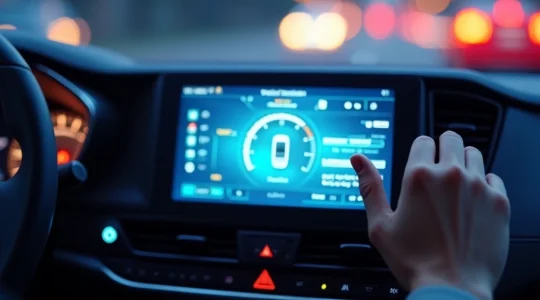
Switch to a responsive touch screen for seamless control on the road
The automotive industry is experiencing a technological revolution, with responsive touch screens becoming the nerve center of modern vehicles. These advanced interfaces are transforming the way drivers interact with their cars, offering intuitive control over navigation, entertainment, and vehicle settings….
Lire la suite
How do electric cars contribute to a sustainable future?
Electric cars are rapidly transforming the automotive landscape, offering a promising path towards a more sustainable future. As concerns about climate change and air pollution continue to grow, these innovative vehicles are emerging as a crucial solution to reduce our…
Lire la suite
The role of fleet maintenance in ensuring operational success
In today’s competitive business landscape, fleet maintenance plays a pivotal role in driving operational success. As organizations rely heavily on their vehicle fleets for transportation, delivery, and service provision, the importance of a well-maintained fleet cannot be overstated. Effective fleet…
Lire la suite