Car maintenance and repairs
Owning a car is one of those responsibilities that tends to grow on you. At first, everything works smoothly, and maintenance feels like an afterthought. Then a strange noise appears, a warning light flickers on the dashboard, or the brakes feel slightly softer than usual. That is usually the moment drivers start asking questions. This category is dedicated to answering them clearly, without jargon or pressure, so you can take care of your vehicle with confidence and avoid unnecessary expenses.
Whether you drive a compact commuter car, a family SUV, or an aging pickup, understanding how maintenance and repairs work puts you in control. You do not need to become a mechanic. You simply need to know what your vehicle needs, when it needs it, and how to make informed decisions when something goes wrong.
Why Regular Car Maintenance Matters
Think of your car as a system of interconnected parts that wear down at different rates. Oil gets dirty, brake pads thin out, tires lose pressure, and fluids degrade. Regular maintenance is simply the practice of addressing these small changes before they become large, expensive problems.
Skipping routine service rarely saves money in the long run. A delayed oil change can lead to engine wear. Worn brake pads can damage rotors, turning a modest repair into a costly one. An neglected cooling system can cause an overheating engine, one of the most expensive failures a car can suffer. Preventive care is almost always cheaper than corrective repair.
- Safety: well-maintained brakes, tires, and steering components dramatically reduce accident risk.
- Reliability: routine servicing reduces the likelihood of breakdowns and unexpected roadside emergencies.
- Resale value: a documented service history makes a vehicle significantly more attractive to buyers.
- Fuel economy: properly inflated tires, clean filters, and fresh oil help the engine run efficiently.
There is also a legal aspect. In most U.S. states, Canadian provinces, and across the United Kingdom, periodic inspections or emissions tests are required by law. Keeping up with maintenance makes passing these checks far less stressful.
Core Maintenance Tasks Every Driver Should Understand
Not all maintenance is equal. Some tasks are quick and inexpensive, while others are scheduled milestones in your vehicle’s life. Here are the fundamentals.
Oil and Filter Changes
Engine oil lubricates moving parts, reduces friction, and carries away heat and debris. Over time, it breaks down and loses effectiveness. Most modern vehicles need an oil change roughly every 5,000 to 7,500 miles, though some synthetic oils allow longer intervals. Always refer to your owner’s manual rather than generic rules of thumb, as manufacturers tailor intervals to each engine.
Tire Care
Tires are your only contact with the road, which makes them a safety-critical component. Check tire pressure monthly, ideally with a simple gauge at home. Underinflated tires wear faster, reduce fuel economy, and handle poorly. Rotation every 5,000 to 8,000 miles promotes even wear, and tread depth should never fall below the legal minimum of 2/32 of an inch in most jurisdictions, though replacing earlier improves wet-weather grip.
Brakes
Brake pads typically last between 25,000 and 70,000 miles depending on driving style and conditions. City driving with frequent stops wears them faster than highway cruising. Squealing, grinding, or a vibrating brake pedal are signals that inspection is due.
Fluids
Beyond engine oil, a vehicle relies on several other fluids: coolant, transmission fluid, brake fluid, power steering fluid, and windshield washer fluid. Most are checked during routine service, but a quick monthly look under the hood costs nothing and can reveal leaks early.
Battery
Car batteries generally last three to five years. Extreme heat and cold shorten lifespan, which is why batteries in northern states and desert climates often fail sooner. Slow cranking in the morning is a classic early warning sign.
Filters
Engine air filters, cabin air filters, and fuel filters all restrict over time. A clogged air filter reduces performance and efficiency, while a dirty cabin filter diminishes air quality inside the vehicle. These are among the easiest and cheapest components to replace.
Building a Simple Maintenance Routine
Consistency matters more than complexity. A practical routine fits into ordinary life without requiring deep mechanical knowledge.
- Check tire pressure and fluid levels once a month, ideally at a gas station or in your driveway.
- Wash the car regularly, especially in winter regions where road salt accelerates rust on the undercarriage.
- Follow the manufacturer’s service schedule for oil changes, inspections, and replacements of wear items.
- Keep a simple record, whether a notebook in the glovebox or a mobile app, of every service performed.
- Address warning lights promptly rather than hoping they disappear.
Consider the example of two neighbors who bought identical sedans the same year. One followed the service schedule diligently and kept receipts. The other skipped oil changes and ignored a minor coolant drip. Five years later, the first car sells easily with a strong service history, while the second needs a head gasket repair that costs more than the vehicle is worth. Same car, same roads, very different outcomes.
Recognizing Warning Signs Early
Cars rarely fail without notice. They communicate through sounds, smells, vibrations, and dashboard indicators. Learning to read these signals can save you from being stranded or facing major repair bills.
- Warning lights: a check engine light may indicate something minor like a loose gas cap, or something serious like engine misfire. A scan tool reading, often free at auto parts stores, clarifies the situation.
- Unusual noises: squealing when braking, grinding when turning, or knocking from the engine all deserve prompt attention.
- Fluid spots: puddles under a parked car reveal leaks. Clear water near the air conditioning is normal; brown, red, or green stains are not.
- Vibrations: shaking at certain speeds often points to wheel balance or tire issues.
- Changes in performance: sluggish acceleration, rough idling, or reduced fuel economy suggest something is out of tune.
Trust your instincts here. If your car suddenly behaves differently, something changed mechanically. Early diagnosis is almost always cheaper than late repair.
DIY Maintenance Versus Professional Repairs
One of the most common questions drivers ask is what they can safely handle themselves and what should be left to professionals. The honest answer depends on your tools, your space, and your comfort level.
Good Candidates for DIY
- Replacing windshield wiper blades
- Checking and topping off fluids
- Inflating tires to the correct pressure
- Swapping an engine or cabin air filter
- Replacing a battery in most vehicles
These tasks require minimal tools, carry low risk, and are well documented in owner’s manuals and reputable video tutorials.
Best Left to Professionals
- Brake system work beyond pad replacement
- Anything involving the fuel system or airbag components
- Timing belt replacement
- Transmission and engine internal repairs
- Diagnostics requiring specialized equipment
A useful rule: if a mistake could compromise safety or cause catastrophic engine damage, professional service is worth the cost. DIY is best treated as a way to save on simple, low-risk maintenance, not as a substitute for qualified repair work.
Choosing a Trustworthy Repair Shop
Finding a mechanic you trust is arguably as valuable as any single maintenance task. Reputation, transparency, and communication separate good shops from frustrating ones.
- Look for certifications such as ASE (Automotive Service Excellence) in the United States or comparable credentials elsewhere.
- Read local reviews and ask neighbors or coworkers for personal recommendations.
- Request written estimates before authorizing work and ask for old parts back when parts are replaced.
- Be wary of shops that push unnecessary services, quote over the phone without inspection, or cannot explain a repair in plain language.
Dealership service departments offer factory-trained technicians and warranty compatibility, while independent shops often provide lower prices and more personal relationships. Both can be excellent; the deciding factors are trust and track record, not the logo on the sign.
Understanding Repair Costs and Getting Fair Value
Repair pricing varies widely by region, vehicle type, and shop overhead. Labor typically accounts for a large share of the bill, with rates ranging from moderate at independent shops to premium at dealerships. Parts come in several tiers: OEM (original equipment manufacturer), aftermarket equivalents, and used or refurbished components.
To gauge whether a quote is fair, obtain two or three estimates for the same repair, and consult widely available online repair cost estimators that provide typical price ranges by ZIP code or region. For older vehicles, weigh repair costs against the car’s current value, but remember that a well-maintained older car with one significant repair can still be cheaper than years of payments on a replacement.
Ask the shop to explain what failed and why. A good mechanic educates rather than intimidates. Understanding the root cause also helps you prevent recurrence.
Preparing for the Unexpected
Even the best-maintained car can develop problems. A small emergency kit in the trunk turns a stressful situation into a manageable one.
- Jumper cables or a portable jump starter
- Tire inflator or sealant kit, plus a working spare where fitted
- Flashlight with fresh batteries
- Basic first-aid supplies and a reflective warning triangle
- Phone charger and a list of emergency contacts
Roadside assistance coverage, whether through an auto club, insurer, or credit card benefit, is inexpensive peace of mind for most drivers.
The Road Ahead: A Confident Approach to Car Care
Car maintenance and repairs are not about memorizing technical specifications. They are about building habits: checking things regularly, listening to your vehicle, following a sensible service schedule, and choosing trustworthy professionals when work exceeds your skills. Every small act of care compounds over the life of the vehicle, protecting your safety, your budget, and your peace of mind.
Use the resources in this category as your companion along the way. Each article breaks down a specific topic in plain language, from interpreting dashboard warning lights to extending the life of your brakes, so that maintaining your car becomes less of a mystery and more of a routine you genuinely control.

How do winter tires enhance safety during harsh weather?
When temperatures drop and roads become treacherous, winter tires play a crucial role in keeping drivers safe. These specialized tires are engineered to provide superior traction, handling, and braking performance in cold, snowy, and icy conditions. Understanding how winter tires…
Lire la suite
Schedule regular servicing to keep your car running smoothly
Regular car servicing is the cornerstone of vehicle maintenance, ensuring your automobile remains in peak condition for years to come. By adhering to a consistent servicing schedule, you can prevent minor issues from escalating into major problems, enhance fuel efficiency,…
Lire la suite
What are the benefits of thorough engine diagnostics?
Engine diagnostics have become an indispensable tool in modern vehicle maintenance. As automotive technology continues to advance, the complexity of engine systems has increased exponentially, making traditional diagnostic methods insufficient. Thorough engine diagnostics offer a myriad of benefits, from early…
Lire la suite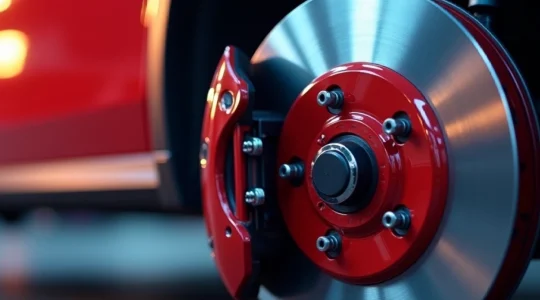
Worn brakes: how to recognize the signs and take action?
Brakes are one of the most critical safety components of any vehicle. Recognizing the signs of worn brakes is essential for maintaining your car’s safety and performance. Ignoring these signs can lead to dangerous situations on the road and costly…
Lire la suite