Delivery services
Delivery services have become one of the most visible parts of modern life. Whether it is a courier dropping off a parcel at your door, a driver bringing hot food from a restaurant, or a freight company moving goods across the country, the basic idea is the same: someone needs a physical item moved from one place to another, and a delivery service makes that happen. For anyone considering a career or side income behind the wheel, understanding how these services work is the first step toward making smart choices about vehicles, earnings, and daily routines.
This page explains the different types of delivery work, what the job actually involves day to day, what kind of vehicle you may need, and what to think about before getting started. The goal is to give you a clear, honest picture of the industry without marketing hype.
What Are Delivery Services?
Delivery services are companies or platforms that transport goods from one location to another for a fee. The industry covers a wide spectrum, from small independent couriers riding bicycles in city centers to national fleets of heavy trucks carrying pallets between distribution hubs. What unites them is the promise of moving an item safely and on time.
The industry has grown rapidly with the rise of online shopping. E-commerce has created constant demand for parcel delivery, while food delivery apps have opened the door for millions of people to earn money using their own cars, motorcycles, or bicycles. This shift has also changed the nature of the work: today, many drivers work as independent contractors rather than traditional employees, choosing when and how much they work.
Main Types of Delivery Services
Not all delivery work is the same. Understanding the main categories helps you identify which one matches your vehicle, schedule, and goals.
Parcel and Courier Delivery
This is the classic model: companies like national postal services, private couriers, and regional carriers pick up packages from businesses or individuals and deliver them to recipients. Drivers typically follow pre-planned routes with dozens or even hundreds of stops per day. Parcel work usually requires a reliable vehicle, physical fitness for loading and unloading, and comfort with repetitive routes.
Food and Restaurant Delivery
Food delivery platforms connect customers with restaurants and use a network of drivers to pick up orders and bring them while they are still fresh. Speed matters more than load capacity here, which is why bicycles, scooters, and small cars are common in this segment. Work tends to be concentrated around meal times, lunch and dinner, giving drivers flexible but uneven schedules.
Grocery Delivery
Grocery delivery drivers collect orders from supermarkets or dark stores and bring them to customers, sometimes handling fragile or chilled items. Many platforms allow customers to shop directly and then assign a driver to fulfill the delivery. This type of work often involves heavier loads than food delivery, so a car or hatchback with decent cargo space is usually necessary.
Furniture and Large Item Delivery
Some services specialize in bulky goods such as appliances, mattresses, and furniture. These deliveries require larger vehicles like cargo vans, and often two-person crews because items must be carried inside homes. This niche pays better per delivery than standard parcel work but demands more physical effort and careful handling.
Freight and Last-Mile Logistics
Freight carriers move large volumes of goods between warehouses and distribution centers, while last-mile providers handle the final leg of the journey, from a local depot to the customer’s door. Last-mile delivery is widely considered the most expensive and complex part of logistics because it involves many individual stops in dense urban areas. Drivers in this segment often work for established companies with structured routes and schedules.
How a Typical Delivery Route Works
For someone new to the field, the daily rhythm of delivery work can seem opaque. Here is a simplified view of the process most drivers follow:
- Accepting or receiving assignments. Independent drivers receive offers through an app and choose which ones to take. Company drivers are usually assigned a route at the start of the shift.
- Collecting the items. The driver picks up packages or orders from a depot, warehouse, restaurant, or store, checking that everything matches the manifest or order list.
- Planning the route. Navigation apps optimize the sequence of stops. Efficient routing saves fuel, time, and frustration, especially in traffic-heavy areas.
- Completing each delivery. The driver drops off items, sometimes with proof of delivery such as a photo, a signature, or a confirmation code.
- Handling exceptions. When a customer is absent, an address is wrong, or an item is damaged, the driver follows a procedure, often documenting the issue through the app.
Two useful analogies: a delivery driver is a bit like a waiter, responsible for the condition of the order, and a bit like a puzzle solver, fitting many stops into limited time. People who enjoy autonomy and problem-solving tend to thrive in this environment.
Choosing the Right Vehicle for Delivery Work
Your vehicle is your main working tool, and the choice has a direct impact on what jobs you can accept and how profitable they are.
Vehicle Types and Their Best Uses
- Bicycle: ideal for dense city centers, short food deliveries, no fuel costs, but limited range and weather exposure.
- Motorcycle or scooter: fast in traffic, low running costs, suitable for food and small parcels, but restricted cargo capacity.
- Small car or hatchback: the most versatile option, covering food, grocery, and parcel work, with reasonable fuel consumption.
- Estate car, SUV, or minivan: more cargo space for multi-stop routes or larger orders, slightly higher fuel costs.
- Cargo van: required for furniture, appliances, and palletized goods, opens higher-paying jobs but comes with higher purchase, fuel, and insurance costs.
Factors to Weigh
Beyond the type of vehicle, consider fuel economy, because it eats directly into earnings; maintenance costs, since delivery work means high mileage and accelerated wear; and insurance, which must explicitly cover commercial or delivery use, a point many new drivers overlook. A personal car insurance policy usually does not cover paid deliveries, and driving without the right coverage can void your policy entirely.
Earnings and Working Conditions
Income in delivery services varies widely depending on the type of work, the region, the platform or employer, and the hours invested. Food delivery drivers are typically paid per delivery plus tips, while courier and freight drivers are more often salaried with benefits. Urban areas with dense demand generally offer more orders per hour than rural regions, where longer distances between stops reduce efficiency.
It is important to distinguish between two models:
- Employee status: fixed schedule, hourly wage, paid mileage or company vehicle, benefits, less flexibility.
- Independent contractor status: full schedule flexibility, payment per task, but you cover your own vehicle costs, insurance, and taxes, and there is no guaranteed minimum income.
Independent drivers should treat their earnings net of expenses, not gross. A driver earning a high gross figure may find that fuel, maintenance, and vehicle depreciation consume a significant share of it. Keeping accurate records of mileage and costs is essential for both budgeting and tax purposes.
Getting Started as a Delivery Driver
The entry path depends on which segment you choose, but the general sequence looks like this:
- Confirm the basics: a valid driver’s license appropriate for your vehicle, the legal minimum age required by the platform or employer, and a smartphone for route and order management.
- Arrange proper insurance: verify that your policy covers commercial use, or purchase a specific delivery insurance add-on.
- Choose a platform or employer: compare pay structures, support quality, and demand in your area before committing.
- Register and complete onboarding: this usually involves a background check, vehicle documentation, and sometimes an orientation.
- Start small and learn the patterns: your first weeks are about learning which areas, times, and order types work best for you.
Practical Tips for New Drivers
- Plan your working hours around peak demand windows rather than spreading time evenly across the day.
- Keep your vehicle organized with a system for parcels or bags so stops are quick and error-free.
- Track every expense from day one, including fuel, parking, and maintenance.
- Communicate proactively with customers when delays happen, as clear communication reduces complaints and protects your ratings.
- Take care of your body: lifting, climbing stairs, and long sitting periods add up, so stretching and proper lifting technique matter.
Challenges and Realistic Expectations
Delivery work offers genuine advantages: low barriers to entry, flexible scheduling, and immediate income. But an honest picture includes the downsides too. Traffic congestion, difficult weather, tight time windows, and physical demands are part of nearly every delivery job. For independent drivers, income can fluctuate with seasonality and platform algorithm changes. Vehicle wear is a real long-term cost that many newcomers underestimate.
The most successful drivers treat delivery as a small business rather than just a job: they monitor their numbers, maintain their vehicles proactively, and diversify across platforms or seasons when demand shifts. That mindset, more than any single trick, is what turns delivery work into a stable source of income.
Frequently Asked Questions
Do I need a special license for delivery work?
For cars, motorcycles, and vans under a certain weight threshold, a standard driver’s license is sufficient in most English-speaking countries. Larger trucks and vehicles above specific weight limits require commercial or heavy vehicle licenses. Always check the regulations in force in your country or state.
Can I do deliveries with a regular car insurance policy?
In most cases, no. Personal policies typically exclude paid delivery activity. You will need commercial coverage or an endorsement specific to delivery use. Driving paid deliveries on a personal policy risks having claims denied.
Which type of delivery pays the most?
Furniture, appliance, and freight deliveries generally pay the most per job because they require larger vehicles and physical labor. Food delivery pays less per order but offers high volume in busy urban areas. The best answer depends on your vehicle and your location.
Is delivery driving a good side income?
Yes, for many people it works well as a flexible side income, especially around peak hours. The key is to calculate your net earnings after expenses and to protect your vehicle with proper maintenance and insurance.
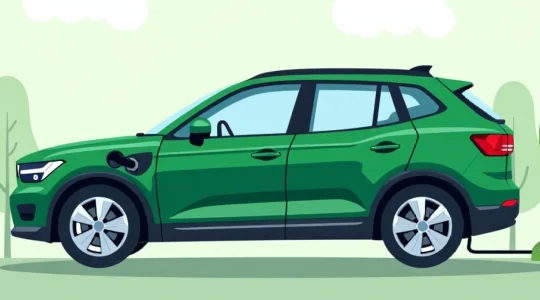
Renting an electric car supports green initiatives and lowers fuel costs
The rise of electric vehicles (EVs) is transforming the automotive landscape, and the rental car industry is no exception. As environmental consciousness grows and fuel costs fluctuate, more travelers are turning to EV rentals as a sustainable and cost-effective option….
Lire la suite
How does rental for urban transport address the challenges of city commuting?
Urban mobility is undergoing a dramatic transformation as cities grapple with increasing population density, traffic congestion, and environmental concerns. Rental models for urban transport have emerged as a promising solution to these challenges, offering flexible, sustainable, and efficient alternatives to…
Lire la suite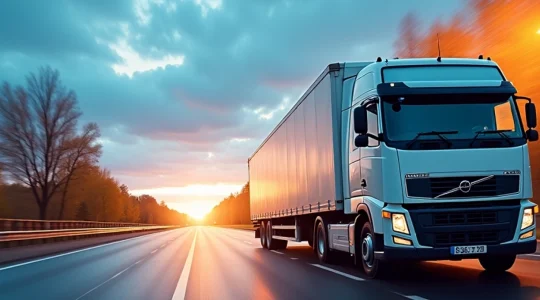
Vehicle rental for professionals provides reliable, high-standard service
Professional vehicle rental services have become an indispensable resource for businesses across various industries. With the growing demand for flexible and efficient transportation solutions, companies are turning to specialized rental providers to meet their diverse fleet management needs. These services…
Lire la suite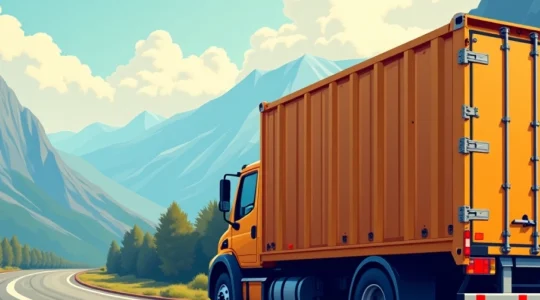
Choose utility car rental to boost your mobility and productivity
Utility vehicle rentals offer a practical solution for businesses and individuals seeking enhanced mobility and productivity. These versatile vehicles provide the perfect blend of cargo capacity, performance, and convenience, making them ideal for a wide range of applications. Whether you’re…
Lire la suite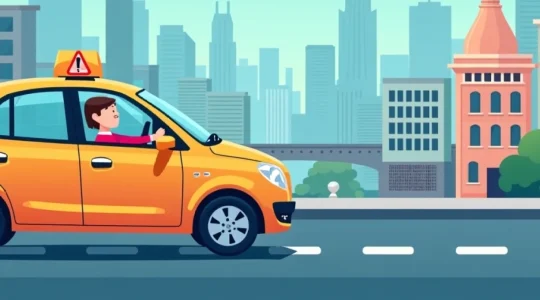
Why should you consider car rental with driver for stress-free travel?
Traveling to a new destination can be both exciting and daunting. As you explore unfamiliar territories, the last thing you want is to worry about navigating complex road systems or deciphering local driving customs. This is where car rental with…
Lire la suite